Lead Smelting Plant Fabrication in Chennai | +91 9600052231

Safe Enviro Systems is No.1 Lead Smelting Plant Fabricators in Chennai. We Offer Top-quality Lead Smelting Plant Fabrication service at best price.✓+91 9600052231

Lead Smelting Plant Fabrication in Chennai

No. 227, New Tiny Sector, Ambattur Industrial Estate,Chennai – 600058.
Check-in: 9:00 AM – 9:00 PM
24/7 Security & Support

Book Your Services
At Safe Enviro Systems! Now

Lead Smelting Plant Fabrication in Chennai

Lead Smelting Plant Fabrication in Chennai

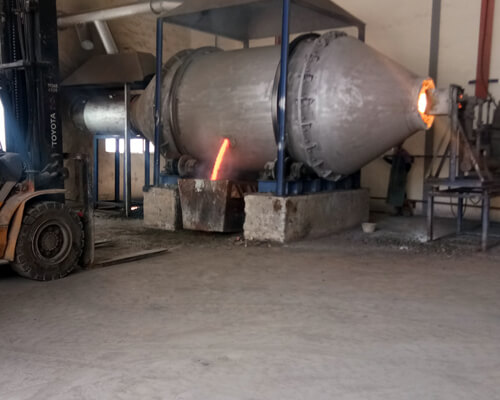
Safe enviro Systems is a manufacturer of Lead smelting Plant which builds its reputation as noted manufacturers, suppliers, and exporters of the Lead Melting Rotary Furnace in Chennai. We offer a wide range of industrial product, including Industrial Furnace, Industrial Burner, Lead Ingot, Oil Heating and Pumping Station, Wet Scrubber Type Air Pollution Control System, Scrap Charging Machine and many more.Backed by strong manufacturing facility, we give 100% quality assurance to our valued clients, so, that they never think twice before trust on us. We check each and every unit on different quality levels which ensure its high efficiency, smooth performance, low maintenance and long operating life.We offer our complete range of industrial furnaces, burners or many more in different specifications at the best price available in the market. Interested clients, who are looking for this prominent Lead Melting Rotary Furnace in Chennai, feel free to send enquiries. More Information Contact us

Types of Lead Smelting Plant Fabrication in Chennai

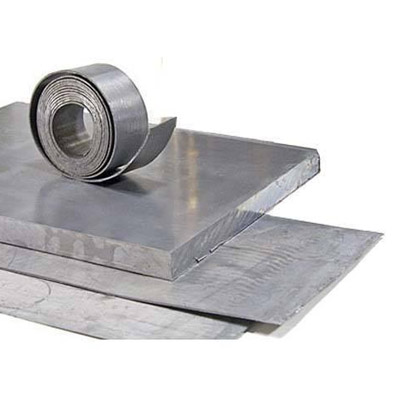
Lead Plates

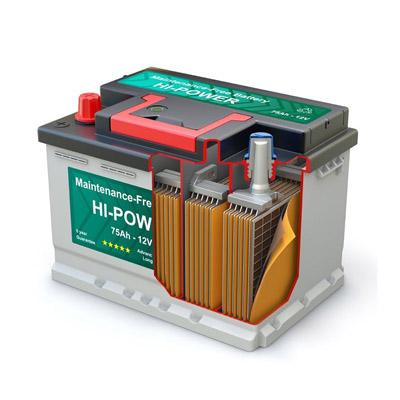
Lead Acid Battery

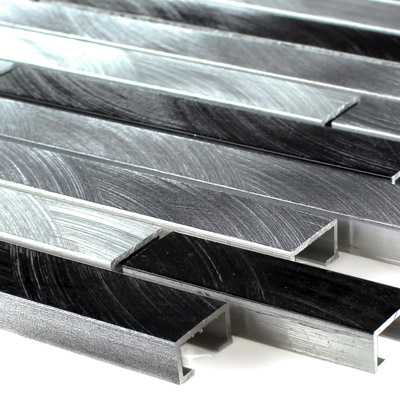
Aluminium

Industrial Process

Lead processing either requires the mining of new, primary lead, or the recycling of used products and scrap metals. Both forms of lead must be melted using a smelting process in order to obtain pure and usable forms of the metal.

The primary smelting process involves separating lead from ore using heat and reducing or purifying agents such as coke and charcoal. Once the lead ore is mined, it must undergo several different processes in order to be turned into usable or metallurgical lead material: sintering, smelting, and refining. The sintering phase involves removing sulfur from the lead ore using a hot air combustion process. Once the sulfur is removed, the lead is sent into a smelter where it is heated at extremely high temperatures in order to isolate the pure lead from other metals and materials in the ore. Any remaining metals or other materials left after the smelting are removed during the refining process.29  Lead dust and smoke can be released during all of the above processes, and slag contaminated with lead particles may be left over after the smelting process.

Global Context

Lead is a very useful material found in many different products, with approximately six million tons used annually across the world.30  Though much of this lead is recycled and reused, the US Geological Survey estimated that the world production of primary lead in 2009 was over 3.8 million metric tons.31  The extraction and smelting of lead can cause a large amount of toxic pollution, and emissions from lead smelting are a big contributor to global lead contamination.32  Lead smelting can also pollute the environment with large amounts of particulate matter, toxic effluents, and other various solid wastes.Though lead smelting facilities exist all over the world, countries and cities where pollution may not be properly monitored by environmental and health regulations are more negatively impacted by health problems related to lead contamination. According to the Blacksmith inventory, countries in Eastern Europe, Northern Eurasia, and Central Asia are particularly at risk from lead smelting activities, with an estimated two million people impacted worldwide.

Our Products

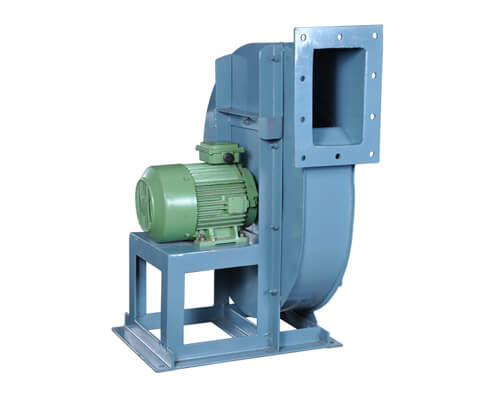
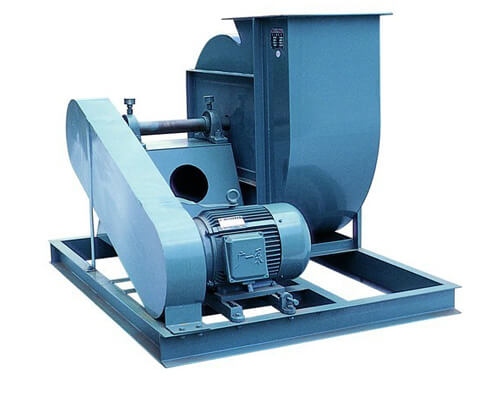
Centrifugal Blower

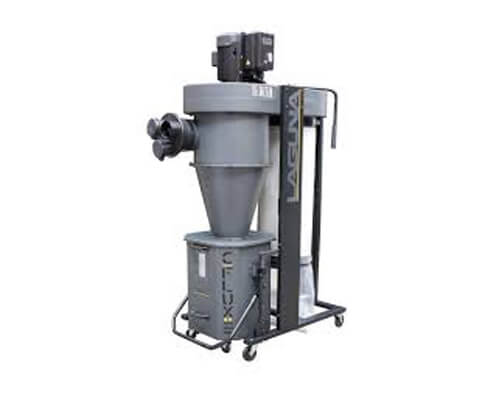
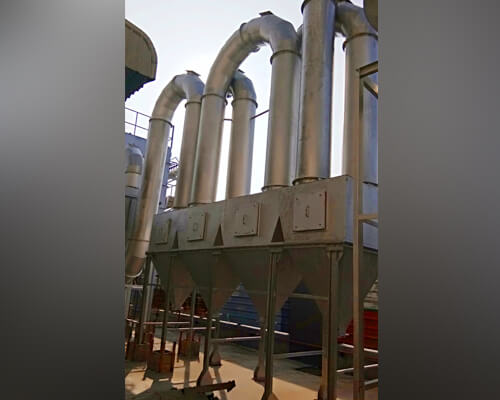
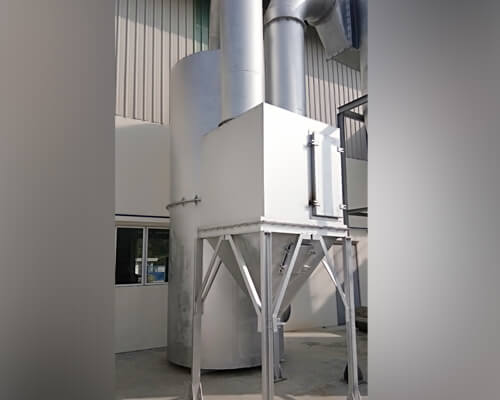
Cyclone Dust collector

Industrial Air Pollution Control Equipment Manufacturers in Chennai

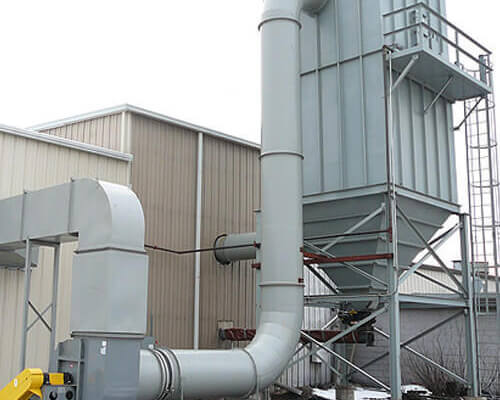
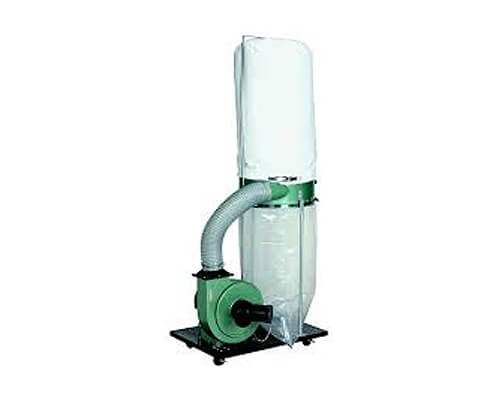
Dust Collector

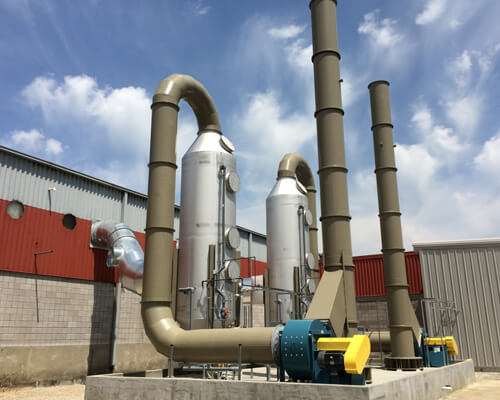
ET Scrubber

FD Fans

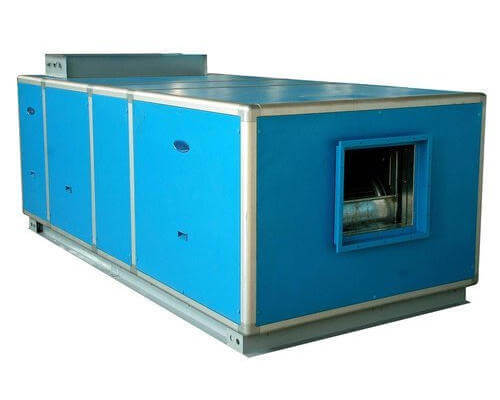
Floor Mounted

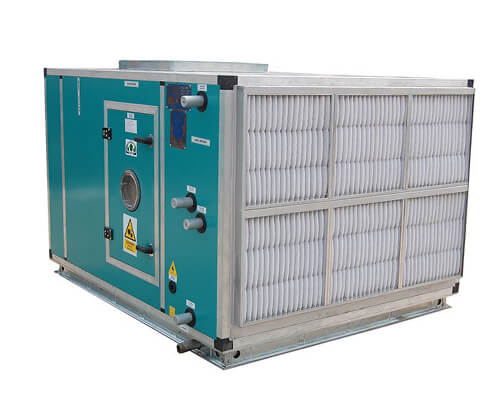
AHU

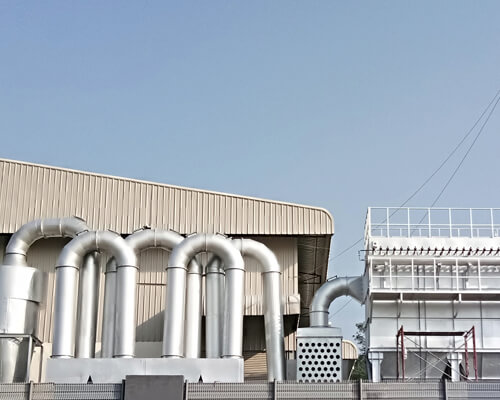
Lead Smelting Plant

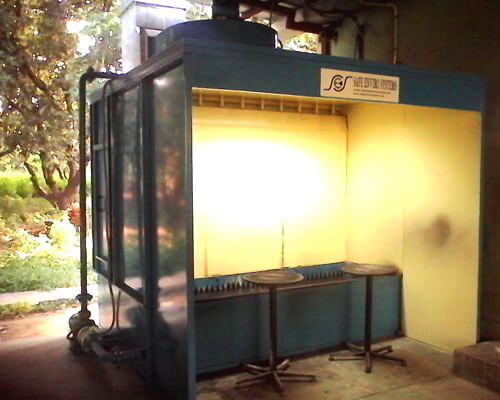
Paint Booth

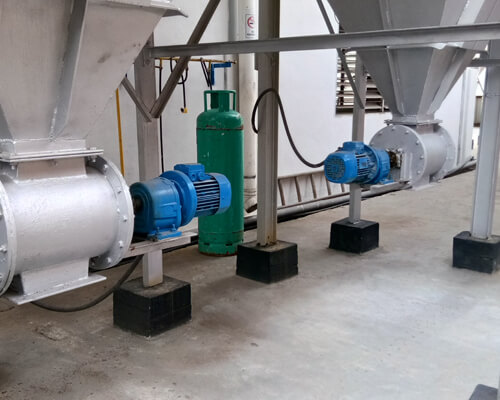
Rotary Air Lock

Rotary Furnace

U-Tube Cooler

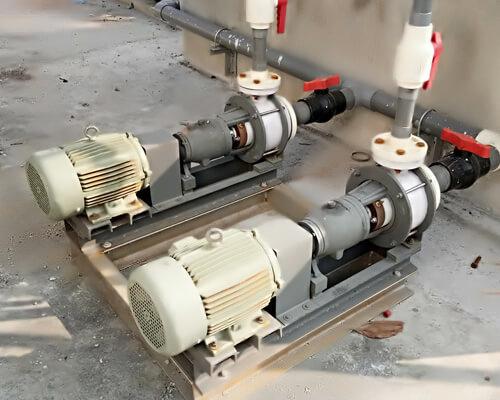
Scrubber Pump

Spark Arrestor

Lead Smelting Plant Fabrication Specifications

Specification Details
Plant Type Lead Smelting Plant
Fabrication Material Mild Steel, Stainless Steel, or suitable heat-resistant materials
Plant Capacity Based on production requirements
Furnace Type Rotary Furnace or other suitable smelting furnace
Feed Material Lead Scrap and Lead-Bearing Materials, as applicable
Heating System Fuel-Fired or other suitable heating configuration
Furnace Lining Heat-Resistant Refractory Material
Charging System Manual or Mechanised, depending on plant design
Material Handling System Conveyors, Hoists, or other suitable handling equipment
Fume Extraction System Designed for lead-bearing fumes and particulate control
Air Pollution Control Suitable Bag Filters, Scrubbers, or other treatment systems
Dust Collection System Industrial Dust Collector or Bag Filter System
Ducting System Corrosion- and Temperature-Suitable Ducting
Process Control System Manual, Semi-Automatic, or PLC-Based, if available
Temperature Monitoring As per furnace and process requirements
Cooling System As required by plant design
Safety Systems Designed for lead exposure control and applicable industrial safety requirements
Plant Layout Customised according to site conditions and process flow
Applications Lead Recycling and Secondary Lead Processing
Customisation Based on capacity, feed material, process requirements, and site layout
Installation and Commissioning As per approved engineering design and site requirements

Exposure Pathways

The most common route of lead exposure caused by lead smelting is through inhalation or ingestion of lead dust, particles, or exhaust from the burning process.  Workers in the smelting factories are particularly at risk, as they can be exposed to prolonged and direct inhalation of gaseous emissions and dust. Particles and ash containing lead can also be blown into nearby towns or onto agricultural fields, which can contaminate livestock and crops. Studies in China have found that certain crops, such as corn, are particularly susceptible to lead accumulation when grown in close proximity to smelters. Dermal contact with soil contaminated with lead can also expose people to toxins.

Health Effects

The health effects of exposure to lead can be both acute and chronic, and the problems caused by lead poisoning are particularly dangerous and severe for children. Acute lead poisoning can happen immediately and is often caused by inhaling large quantities of lead dust or fumes in the air. Chronic lead poisoning, however, occurs over longer periods of time and can result from very low-level, but constant, exposure to lead. Chronic poisoning is far more common than acute exposure and can be caused by persistent inhaling or ingestion of lead, or, over much longer periods, can result in lead accumulation in the bones.Health problems associated with lead poisoning can include reduced IQ, anemia, neurological damage, physical growth impairments, nerve disorders, pain and aching in muscles and bones, memory loss, kidney disorders, retardation, tiredness and headaches, and lead colic, which impacts the abdomen.19  Severe exposure to high concentrations of lead can lead to dire health risks, including seizures, delirium, coma, and in some cases, death. For 📍 Google Maps: Click here, ⭐ Google Review: Click here

Happy to help!

Sun – Mon, 9 am to 9 pm
Designed & Developed by