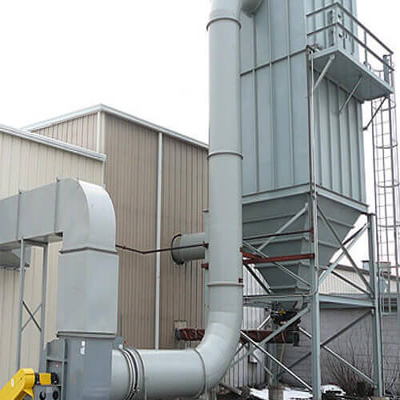
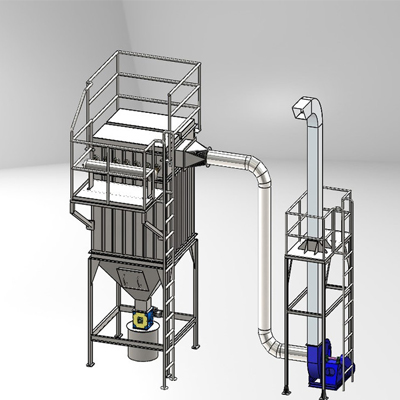
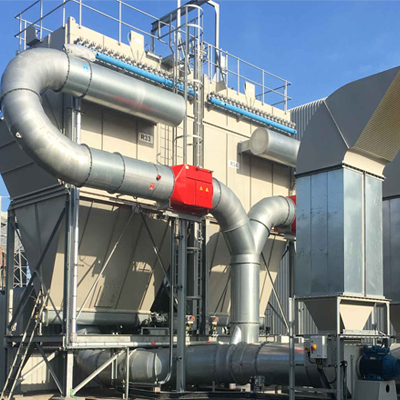
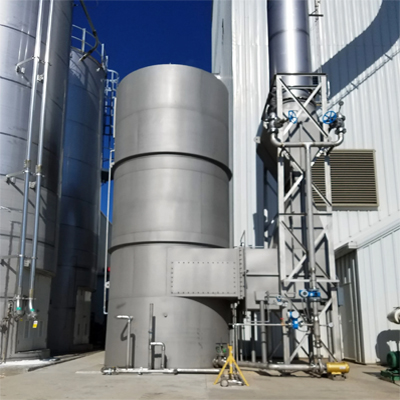
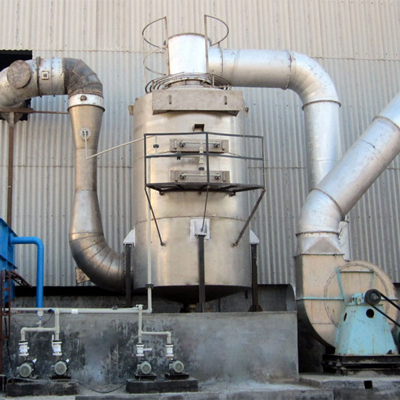
Customized Pollution Control Equipment Solutions in Chennai
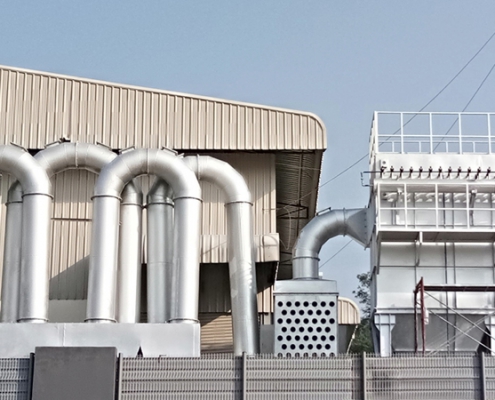
Every industrial process produces different types and quantities of pollutants. For example, a metal fabrication facility may require welding fume extraction and dust collection, while a chemical processing plant may need a suitable gas scrubber or specialized exhaust treatment system.
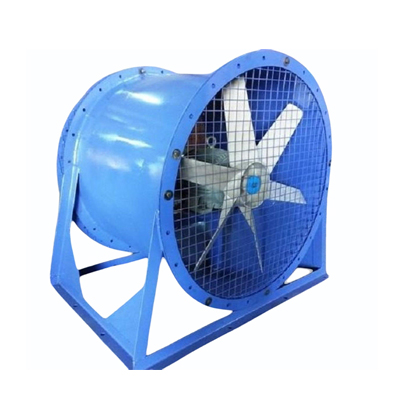
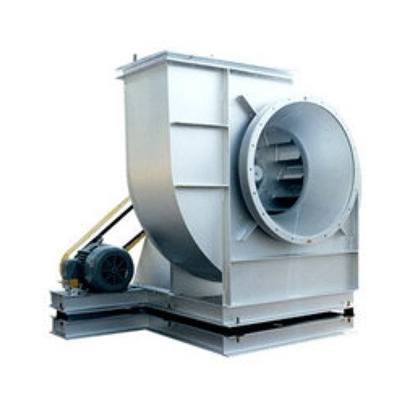
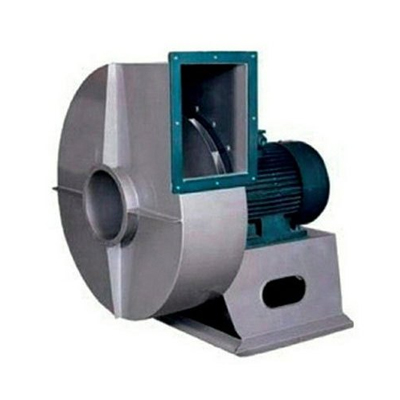
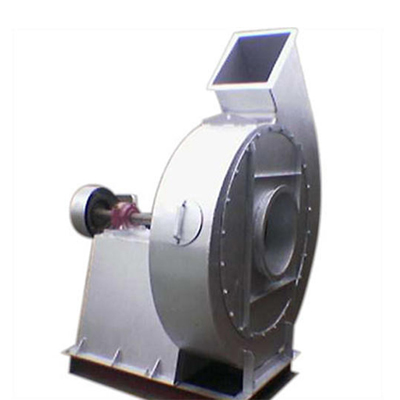
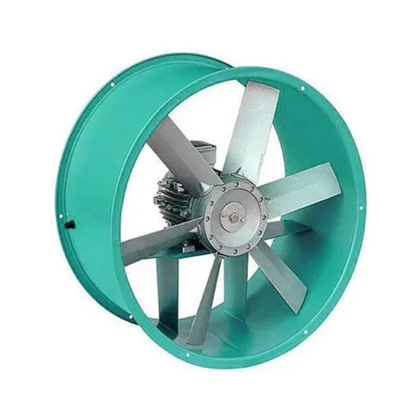
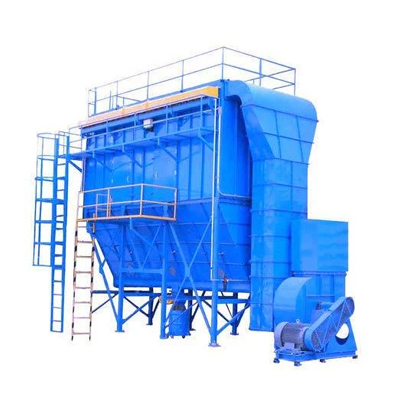
Professional Pollution Control Equipments Manufacturers in Chennai can help businesses identify equipment based on their process requirements and environmental objectives. Depending on the application, a customized system may include extraction hoods, ducting, blowers, filters, scrubbers, pumps, control panels, and monitoring equipment.
A detailed assessment of the pollutant type, gas flow rate, temperature, moisture content, chemical properties, and required outlet quality is important when selecting a pollution control system.
How to Choose Pollution Control Equipment Manufacturers in Chennai
Before choosing a manufacturer, consider the following factors:
- Technical Expertise: Look for experience with the specific pollution control technology your process requires.
- Equipment Selection: Ensure the proposed system is suitable for the pollutant and operating conditions.
- Design and Capacity: Check the system’s airflow, treatment capacity, and integration requirements.
- Construction Quality: Evaluate materials, fabrication standards, and corrosion resistance where relevant.
- Energy Efficiency: Consider fan power, pressure drop, pump requirements, and operating costs.
- Maintenance Requirements: Review filter replacement, cleaning, inspection, and spare parts availability.
- Environmental Requirements: Confirm that the proposed design addresses applicable emission or discharge standards.
- Installation and Service: Check whether technical assistance, commissioning, and ongoing maintenance are available.
Contact Pollution Control Equipment Manufacturers in Chennai
Are you looking for reliable pollution control solutions for your industrial facility? Choose equipment based on your production process, pollutant characteristics, operating conditions, and environmental requirements. Contact our team to discuss your industrial pollution control needs and explore suitable equipment solutions in Chennai. For 📍 Google Maps: Click here, ⭐ Google Review: Click here
Frequently Asked Questions (FAQs) – Pollution Control Equipment
- What is pollution control equipment?
Pollution control equipment refers to machinery and systems used to capture, filter, separate, or treat pollutants generated by industrial processes, including dust, fumes, gases, and wastewater.
- What types of pollution control equipment are available in Chennai?
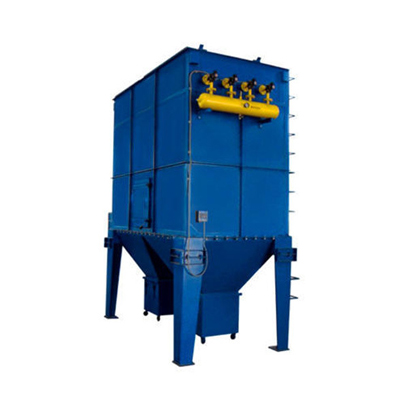
Common options include dust collectors, bag filters, industrial scrubbers, fume extraction systems, air filtration equipment, exhaust gas treatment systems, and effluent treatment equipment.
- Which industries require pollution control equipment?
Manufacturing, chemical processing, metalworking, cement production, power generation, automotive, pharmaceutical, and recycling industries may require pollution control systems based on their operations.
- Can pollution control equipment be customized?
Yes. Equipment can be configured according to the type of pollutant, process conditions, flow rate, plant capacity, available space, and applicable environmental requirements.
- How do I select the right pollution control system?
Identify the pollutant, its concentration, temperature, flow rate, chemical properties, and required treatment level. A qualified equipment provider can use this information to recommend an appropriate system.
- What is the difference between a dust collector and a scrubber?
A dust collector primarily captures particulate matter using filtration or separation methods. A scrubber uses a treatment medium, commonly a liquid, to remove selected gases and/or particles from an exhaust stream.
- Is regular maintenance required for pollution control equipment?
Yes. Regular inspection, filter replacement, cleaning, checking of fans and pumps, and monitoring of system performance help maintain effective operation.
- Do pollution control systems help industries meet environmental standards?
They can help control emissions and discharges, but compliance depends on equipment suitability, correct installation, operating practices, monitoring, and applicable regulatory requirements.